
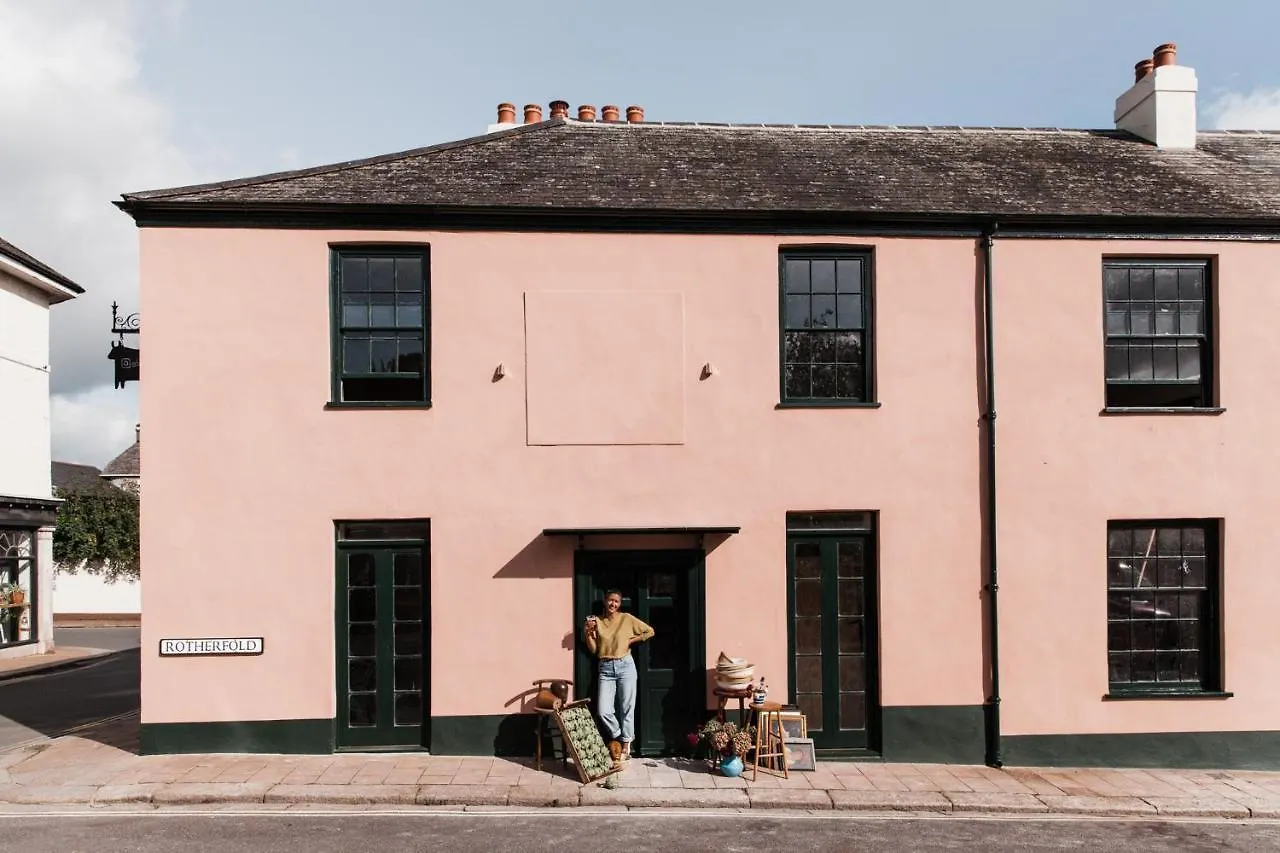
Devon consistently ranks among England's most visited counties, drawing travellers with its dual coastline, Dartmoor National Park, and a string of market towns with genuine character. Whether you're based in Exeter for its cathedral and transport links, or chasing the dramatic cliffs of Hartland Point, the quality of your accommodation shapes the entire trip. This guide cuts through the noise and focuses on the highest-rated stays across Devon - from a historic inn in Totnes to a 5-star cottage on the North Devon coast - to help you book with confidence.
What It's Like Staying in Devon
Devon is England's third-largest county, which means distances between attractions can be deceptively long - driving from Exeter to Hartland Point takes around 90 minutes without traffic, and public transport between rural areas is limited. Most visitors hire a car, and basing yourself in a central market town like Totnes or Exeter gives you the best reach across both the South Devon coast and Dartmoor. Summer months - particularly July and August - see visitor numbers spike significantly on the South Hams coast and Exmoor fringes, so booking accommodation well ahead is non-negotiable for peak season.
Devon suits independent travellers, families, and couples who want a mix of coast, countryside, and cultural stops. Those expecting a single urban hub or seamless public transit will find the county's rural sprawl a friction point.
Pros:
- Enormous variety of landscapes within one county - Dartmoor moorland, South Devon coves, and North Devon sea cliffs all within day-trip distance
- Strong food culture driven by local produce - Dartmouth crab, Devon cream teas, and award-winning farm shops are accessible county-wide
- Exeter provides a solid transport base with a mainline rail connection to London Paddington in around 2 hours
Cons:
- Rural road networks are genuinely narrow and slow - sat-nav journey times frequently underestimate real driving durations
- Coastal villages like Lynmouth and Hartland fill up fast in summer, and last-minute bookings often mean settling for inferior options
- Mobile signal and broadband can be unreliable in Exmoor and North Devon pockets - a real issue for remote workers
Why Choose Highly-Rated Hotels in Devon
High user ratings in Devon carry specific weight because the county's accommodation market is unusually fragmented - ranging from bland roadside B&Bs to meticulously maintained cottages and historic coaching inns. Top-rated properties in Devon typically invest in breakfast quality and local character, both factors that low-scoring options consistently fail on. Rated stays here tend to cost around 20% more than average, but the gap in experience - particularly for multi-night rural retreats - is consistently measurable in guest reviews.
The trade-off is primarily one of availability: the most celebrated small properties in Devon carry only a handful of rooms or units, meaning the window for booking at peak times is narrow. Highly rated holiday cottages in particular often sell out months in advance for summer weeks, while well-reviewed Exeter city hotels maintain better last-minute availability due to higher inventory.
Pros:
- Breakfast and hospitality standards at top-rated Devon properties routinely outperform national chain equivalents at similar price points
- High-rated rural cottages in Devon typically include private outdoor space, kitchens, and distinctive interiors that hotels cannot match for longer stays
- Guest satisfaction at these properties correlates strongly with helpfulness on local itinerary planning - a genuine advantage in a county with poor signage
Cons:
- Limited availability during summer school holidays means even highly rated properties require booking weeks or months in advance
- Some top-rated rural stays involve gravel lanes or steep access roads that are impractical without a vehicle
- Premium rated options in coastal villages command a significant price premium over inland equivalents for what is often a similar room standard
Practical Booking & Area Strategy for Devon
Exeter is Devon's strongest base for first-time visitors - it has the only major rail station with direct London links, a compact city centre walkable in under 20 minutes, and day-trip access to both Dartmoor and the Jurassic Coast via the A30 and A38. Totnes is a compelling secondary base: smaller, slower, and positioned just 12 kilometres from the South Devon coast, with a rail connection to Exeter and Torquay that bypasses the need to drive. North Devon - including Lynmouth and Hartland - requires a car almost without exception and rewards those who plan ahead with some of England's most dramatic coastal scenery, including the Valley of Rocks and the surf beaches around Croyde.
Dartmoor National Park attracts hikers and cyclists throughout the year, but the best hiking conditions fall between April and June, before summer crowds and unpredictable moor weather coincide. Exmoor, partly in Devon and partly in Somerset, is equally rewarding in autumn when visitor pressure drops and the landscape colour peaks. Book North Devon accommodation at least 8 weeks ahead for any July or August stay - the road infrastructure cannot absorb the demand that builds in high season, and this directly inflates prices at the few quality options remaining.
Best Value Stays in Devon
These properties offer the strongest combination of guest satisfaction and accessibility across Devon's main visitor areas - from Totnes's historic centre to Exeter's cathedral quarter and the wild North Devon fringe.
-
1. The Bull Inn
Show on map


 Check-infrom 15:00 until 22:00Check-outfrom 08:00 until 11:00
Just a few rooms left at the best rate!
from£ 148
- Show on map
Best price guarantee
-
3. 5 Exe Street
Show on map


 Check-infrom 16:30 until 23:59Check-outuntil 10:00
Just a few rooms left at the best rate!
from£ 89
- Show on map
Best price guarantee
-
5. Ferndale Cottage
Show on map


 Check-infrom 15:00 until 18:00Check-outfrom 08:00 until 10:00
Hurry – almost gone at this price!
from£ 144
Best Premium Stay in Devon
For travellers seeking a 5-star rated self-catering experience with resort-level amenities in a genuinely remote coastal setting, North Devon's Hartland peninsula delivers a category above the standard Devon cottage offering.
-
6. Downe Cottages
Show on map


 Check-infrom 16:00 until 23:59Check-outuntil 10:00
Rooms filling fast – secure the best rate!
from£ 139
Smart Travel & Timing Advice for Devon
Devon's peak season runs from late July through August, when school holidays drive coastal accommodation to near-full occupancy across Salcombe, Croyde, and the Dartmouth estuary. Prices at top-rated properties during this window can be around 40% higher than the same stay in early June or September. Late May and September are Devon's best-value months - crowds are thinner, the sea temperature is still reasonable for swimming in September, and most attractions are fully operational. Dartmoor walks are best attempted between April and early October; winter mist and boggy ground make routes significantly harder and navigation errors more consequential.
For stays centred on Exeter, three nights is typically sufficient to cover the city's key sites and use it as a day-trip hub for one or two coastal excursions. Rural Devon - Lynmouth, Hartland, South Tawton - rewards longer stays of five nights or more, where the time investment in reaching the location is properly amortised across your itinerary. Book coastal cottages for summer at least 10 weeks ahead - the gap between enquiry and confirmed availability at well-rated rural properties in Devon is consistently reported as one of the most frustrating aspects of planning a Devon holiday.


